QbD for Facilities: The Missing Pre-Requisite in GMP Design
In GMP environments, the concept of Quality by Design (QbD) is usually discussed in the context of product and process development. Guidance documents consistently emphasize the importance of properly designed premises and equipment, yet when you look more closely at formal guidance, there is very little explicit focus on applying QbD principles to the facility design itself.
In GMP environments, the concept of Quality by Design (QbD) is usually discussed in the context of product and process development. Guidance documents consistently emphasize the importance of properly designed premises and equipment, yet when you look more closely at formal guidance, there is very little explicit focus on applying QbD principles to the facility design itself.
That gap matters
Even when a product and process is well developed, patient safety still depends on the facility in which manufacturing occurs. A well designed facility is not just a supporting asset. It is a essential part of the control strategy.
Over the course of my career, I have seen many facilities at different stages of design, startup, and operation. One recurring pattern stands out: almost every project contains design flaws. Some are minor and manageable. Others are severe enough to cause major start-up delays, extensive rework, or even abandonment of the facility. In the worst cases, these shortcomings lead to serious hygienic failures or cross-contamination risks during routine operations.
Common root cause
A common root cause is that too little effort is invested in the underlying data set needed before design begins. That includes detailed process understanding, operational requirements, hygienic concepts, material and personnel flows, cleaning strategies, and the practical realities of how the facility will actually be run once completed.
Building this foundation takes time and effort (a lot more than is often thought). It requires discipline, alignment, and often more patience than investors or senior leadership would like. But that pre-requisite intelligence becomes the reference point for all major design decisions that come thereafter. Without it, engineering teams are forced to make assumptions, and assumptions made too early tend to become expensive problems later.
When this work is skipped or rushed, the consequences usually appear downstream. Engineering phases become slower because of redesign. Startup becomes more difficult because the facility does not adequately support the intended operations. During commercial manufacturing, operators may find themselves forced to create workarounds simply to keep production moving. That is where inefficiency and operational risk begin to emerge.
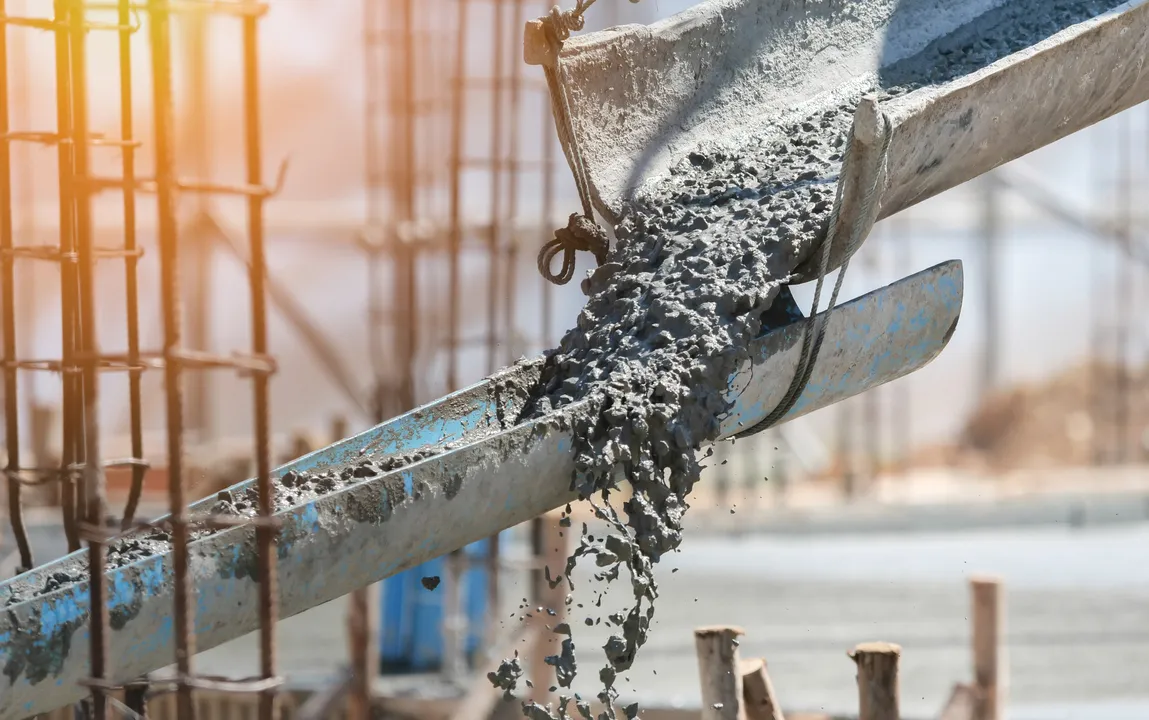
Progress only starts when concrete is poured?
One of the most persistent mistakes in capital projects is the belief that progress starts when concrete is poured. Investors and CEOs often want visible momentum as quickly as possible. Construction becomes the symbol of progress. But in reality, starting construction too early can put the overall timeline at risk rather than accelerate it.
Leadership should focus less on the date construction begins and more on the date commercialization can be achieved reliably and compliantly. Those are not the same thing. A project that spends more time upfront on defining requirements, understanding processes, and translating that knowledge into facility design will often reach commercial readiness faster than a project that rushes into building.
This is why I believe the industry should think more explicitly in terms of QbD for Facilities.
QbD for Facilities
Applying QbD to facilities means making design choices that are based on carefully collected and defendable insights. It means designing with processing controls, hygienic zoning, flows, utilities, cleaning concepts, contamination prevention, maintainability, and operational behavior in mind from the outset. It means treating the facility not as a shell around the process, but as an integrated part of the process.
The benefits are substantial. Projects are less likely to encounter major redesign during engineering or commissioning. Start-up becomes more predictable. Compliance is easier to achieve and easier to defend. Most importantly, the finished facility is more likely to support safe, robust, and efficient manufacturing throughout its lifecycle.
To me, the paradigm should be straightforward:
- QbD for the product
- QbD for the process
- QbD for the facility
That third step deserves far more attention than it currently receives. If the industry is serious about patient safety, compliance, and efficient commercialization, then QbD for Facilities should no longer be treated as a sidenote but should be recognized as an essential pre-requisite phase in facility design.