Upgrading your team's knowledge through Good Manufacturing Practice (GMP) training provides crucial insights into GMP requirements, ensuring compliance while boosting operational efficiency. GMP compliance is vital for maintaining product quality, safety, and consistency in industries like pharmaceuticals, food, and medical devices. Achieving and sustaining GMP compliance goes beyond knowing the regulations; it requires a thorough commitment to applying these standards throughout all production processes.
Good Manufacturing Practice (GMP)
Courses built and taught by senior consultants who advise pharma and biotech manufacturers the rest of the week.

Scheduled courses
Soonest dates first. Open a course for locations, level and what is covered before you register.
Effective GMP training is key to ensuring that products are consistently produced and controlled according to stringent quality standards. It minimizes production risks that can't be eliminated by simply testing the final product, particularly in pharmaceutical manufacturing.
Employees who successfully complete a GMP training program acquire the skills and knowledge needed to meet strict GMP standards. The training covers critical areas such as process validation, equipment maintenance, accurate documentation, and hygiene. Beyond understanding legal requirements, GMP training fosters a culture of quality awareness throughout the organization.
A well-structured GMP training course blends theoretical learning with practical application. Theoretical sessions ensure participants understand the rationale behind GMP regulations, helping them appreciate the importance of maintaining high standards. Practical sessions allow employees to apply their knowledge in real-world scenarios, including material handling, equipment calibration, and quality assurance tasks.
Regular updates to the training are essential to stay aligned with evolving industry technologies and regulatory changes. This keeps employees up to date on the latest guidelines and best practices.
Ultimately, effective GMP training reduces the risk of contamination, ensures product quality, and helps avoid costly regulatory violations. Investing in comprehensive GMP training builds a solid foundation for long-term success by enhancing customer trust, operational efficiency, and continuous improvement in highly regulated industries.

Quality Management in Sterile Manufacturing
Based on 455 participants
€ 2719.00 ex. VAT
Next edition: 10/27/26

External Audits & Self-inspections
Based on 405 participants
€ 1997.00 ex. VAT
Next edition: 11/3/26

Management Review & Knowledge Management
Based on 84 participants
€ 1197.00 ex. VAT
Next edition: 11/4/26

Good Distribution Practices (GDP) – also for the Responsible Person (classroom)
Based on 408 participants
€ 1997.00 ex. VAT
Next edition: 11/10/26

GMP for Mid-Level Management in the Pharmaceutical Industry
Based on 963 participants
€ 2685.00 ex. VAT
Next edition: 11/17/26

Quality Management in Biopharmaceutical Manufacturing
Based on 560 participants
€ 2719.00 ex. VAT
Next edition: 11/24/26

GMP Update Seminar (incl. GDP)
Based on 1,256 participants
€ 1150.00 ex. VAT
Next edition: 12/8/26

Quality Management – The Role of the Qualified Person
Based on 682 participants
€ 3590.00 ex. VAT
Next edition: 3/23/27
Batch Documentation Review
€ 1235.00 ex. VAT
Next edition: 4/1/27

Deviation & CAPA Management
Based on 36 participants
€ 1235.00 ex. VAT
Next edition: 4/21/27

Annex 1 (Practical Implementation of a Contamination Control Strategy)
€ 1235.00 ex. VAT
Next edition: 5/11/27
Out of Specification (OOS), Out of Trend (OOT), Out of Expectation (OOE)
€ 1235.00 ex. VAT
Next edition: 5/18/27

Quality Management in Drug Development
Based on 392 participants
€ 2570.00 ex. VAT
Next edition: 5/25/27

GMP for ATMPs
€ 1235.00 ex. VAT
Next edition: 9/23/27

Good Writing Practices
Based on 128 participants
€ 1235.00 ex. VAT
Next edition: 9/28/27

GDP for the QP/RP Refresher
€ 1235.00 ex. VAT
Next edition: 9/29/27

Validation Best Practices
€ 1235.00 ex. VAT
Next edition: 11/11/27

Data Integrity
Based on 23 participants
€ 1235.00 ex. VAT
Next edition: 11/16/27
Aseptic Processing & Contamination Control (Annex 1)
No dates planned

GMP & GDP Awareness for Senior Management
No dates planned

GMP Awareness for Excipients Manufacturers
No dates planned

GMP Awareness for Management
No dates planned
GMP for Middle Management – Radiopharmaceuticals
No dates planned

GMP for the Lab (QC)
No dates planned
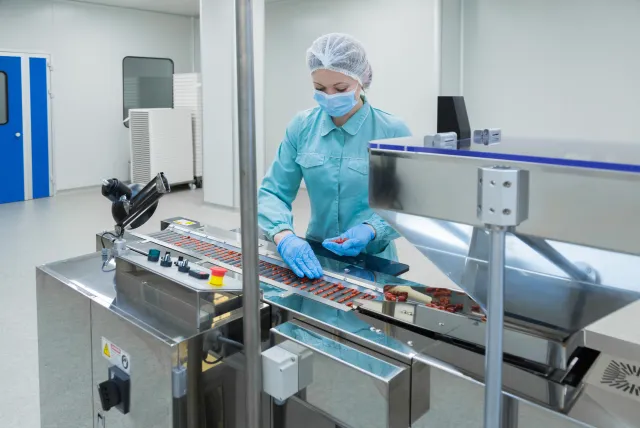
GMP in Practice for Manufacturing and Operators
No dates planned

GMP Leadership
No dates planned

GMP Training for Middle Management – Pharmaceutical Industry (Belgium)
0 ex. VAT
No dates planned
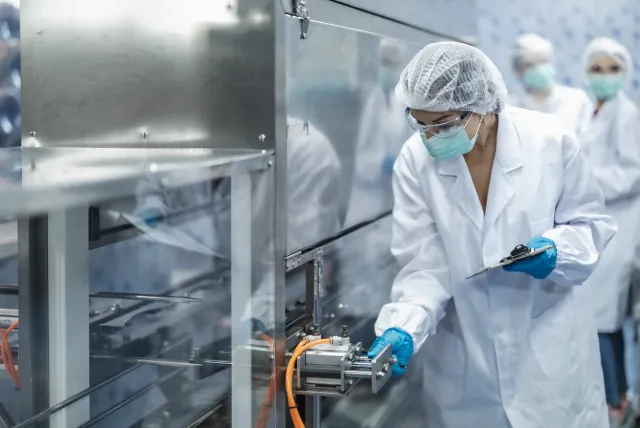
International Auditor Certification Program
No dates planned
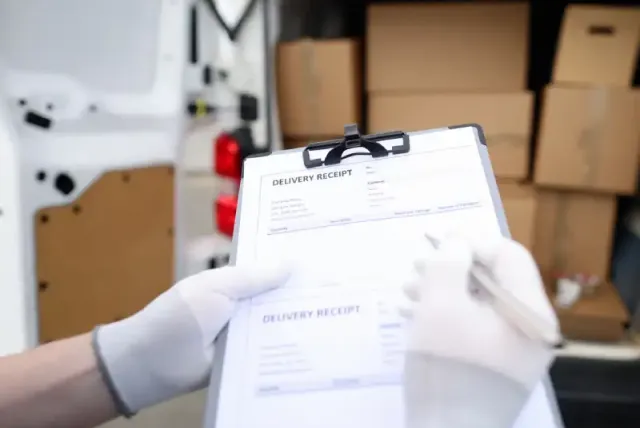
Quality management in GDP
Based on 104 participants
55.00 ex. VAT
No dates planned

Quality Management in Pharma and Biotech (Module 1 to 4)
Based on 2,089 participants
€ 9135 ex. VAT
This training is a combination of modules and has no editions itself.
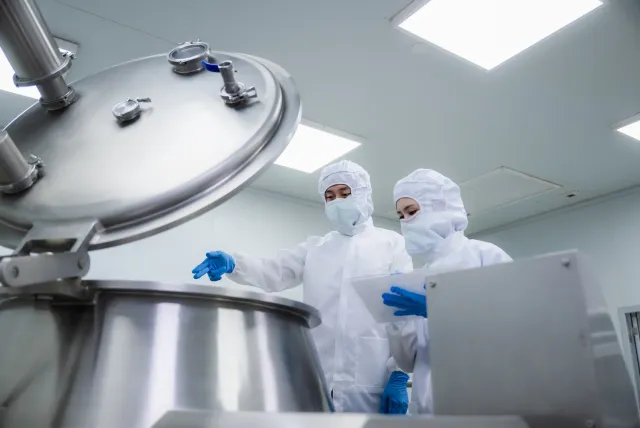
Role-Based GMP Leadership Coaching
No dates planned

What is GMP and why do we do it?
Based on 2,453 participants
75.00 ex. VAT
No dates planned

Writing Effective Procedures
Based on 128 participants
55.00 ex. VAT
No dates planned
Training more than five colleagues?
An in-house session at your own site is usually faster and cheaper, and the cases we work through are your own deviations and products.