ICH Q3E: Good Intentions, But at What Cost?
ICH Q3E addresses a real concern. Patients deserve safe products, and understanding what leaches from plastic materials is part of that. Nobody disputes the principle. But a guideline whose cost and complexity fall disproportionately on the organizations least equipped to absorb them raises serious questions about accessibility.
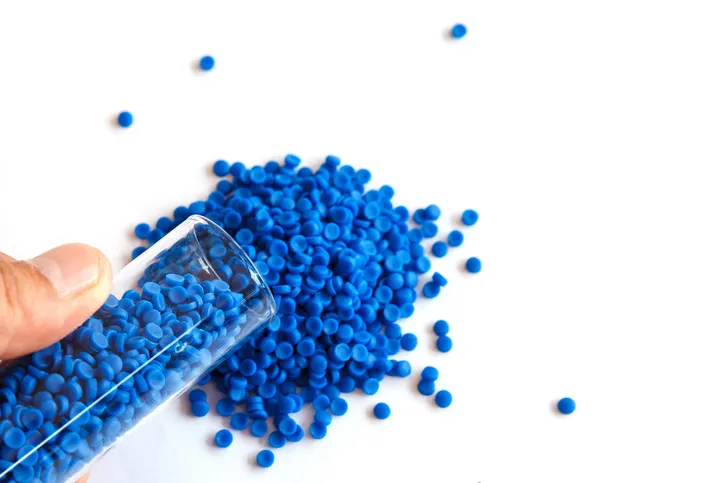
ICH Q3E, still in draft, deals with extractables and leachables from plastic materials used in pharmaceutical manufacturing. The concept sounds reasonable. The execution seems to introduce complications, especially for small to medium sized pharmaceutical organizations. The public comment period closed on 18 December 2025. What came back was 177 pages of industry feedback. We read through it. Here is what stands out.
The scope keeps expanding
The guideline reaches far beyond what many expected. It now covers plastic materials throughout the entire production process, not just in packaging or drug delivery systems. That means every plastic component that touches your product, your process, or your equipment must be examined in detail.
One of the loudest concerns in the comments is the lack of differentiation between container closure systems and single use systems used in manufacturing. These are fundamentally different situations. In a container closure system, leachables can accumulate over shelf life and reach equilibrium concentrations. In single use manufacturing, the picture changes completely. Downstream processing steps actively remove impurities, including leachables. Filters, chromatography columns, and tangential flow devices are used in dynamic environments where equilibrium assumptions simply do not hold.
Several commenters argue that the guideline should either clearly separate these two categories or remove single use systems from scope entirely. As one organization put it, there is no published case where a single use system related leachable has caused a patient safety risk. Process related leachables may affect product quality, but that is a different conversation from patient safety.
The extractables problem
Q3E asks you to identify and evaluate extractables from all these materials. We are talking hundreds of chemical compounds per component. Each one needs a toxicological assessment. Each assessment costs money. Serious money.
For large pharmaceutical companies, this is a budgeting headache. For smaller companies, it could be a serious cash flow and investment issue.
Think about a small biotech with one product in development. They already struggle with the costs of clinical trials, regulatory submissions, and manufacturing setup. Now add the requirement to run toxicological studies on hundreds of extractables from every plastic material in their process. The math will become tricky to defend to investors.
To make things worse, supplier data on polymer formulations and additives is often treated as intellectual property. Companies cannot simply request full extractable profiles from their material suppliers. That means running your own studies, even when the actual risk to patient safety from these components is typically low.
Risk based in theory, bureaucratic in practice
Q3E takes a risk based approach. On paper, that sounds manageable. You assess the risk, you focus on what matters, you move on. But the administrative burden is not subject to a risk based approach.
The documentation requirements alone are enormous. You need to justify every decision, document every assessment, and maintain traceability across your entire supply chain. For companies with limited regulatory affairs teams, this creates a bottleneck that slows processes down.
Multiple industry commenters made the same point. E&L assessment must be proportionate so that patients can receive treatment on time. At very low concentrations, identifying extractables and leachables is extremely difficult. Commercially available standards often do not exist. And toxicological data is frequently scarce. One commenter stated it plainly: zero risk is simply not realistic.
A document that is hard to follow
This is a technical guideline, so nobody expects light reading. But several commenters flagged that the language is overly complex, making it difficult to follow, especially for non native English speakers. Terminology is used inconsistently throughout the document. Terms like "extraction study" and "extractable study", or "manufacturing" and "fabrication", appear interchangeably without clear definitions.
For a guideline that will affect organizations worldwide, clarity matters. When the people who need to implement requirements struggle to understand them, compliance becomes guesswork. That benefits nobody.
The burden falls unevenly
Large companies with established supply chains, dedicated toxicology teams, and deep pockets will absorb these requirements.
Smaller companies and generics manufacturers face a very different situation. Some or even most will lack the infrastructure to manage these assessments efficiently. They lack the budgets to outsource them. And they lack the negotiating power to push costs back onto their material suppliers.
The EMA comments do not explicitly discuss market consolidation. But when you look at the practical implications, the pattern is hard to ignore. Requirements that demand significant financial investment and considerable time and resources, as one commenter described it, will inevitably hit harder where those resources are thinnest. What that means for competition and drug pricing over time is worth watching closely.
What happens next
Given the volume and intensity of the feedback, there is a real chance that the final guideline looks quite different from the current draft. Entire sections could be revised, scoped down, or restructured. The differentiation between container closure systems and single use manufacturing systems alone could reshape significant parts of the document.
That uncertainty makes it tricky to plan. You don't want to overinvest in compliance with requirements that may change. But you also don't want to be caught off guard if Q3E lands close to its current form.
A sensible middle ground? Start by mapping the plastic materials in your manufacturing process. Get a feel for the scope of your exposure. Talk to your material suppliers about extractable data they already have available. Many suppliers hold profiles that save you from starting at zero.
Building some internal knowledge on extractables and leachables also makes sense, regardless of where Q3E ends up. The topic is not going away. Whether you develop that expertise in house or bring in external support, having people who understand the science puts you in a stronger position when the final version drops.
The bottom line
ICH Q3E addresses a real concern. Patients deserve safe products, and understanding what leaches from plastic materials is part of that. Nobody disputes the principle.
But a guideline whose cost and complexity fall disproportionately on the organizations least equipped to absorb them raises serious questions about accessibility. The 177 pages of comments suggest that Q3E, in its current form, has not found the right balance between safety and practicality.
The final guideline could still shift considerably. Those changes will shape how you work with plastics in pharma manufacturing for years to come.